

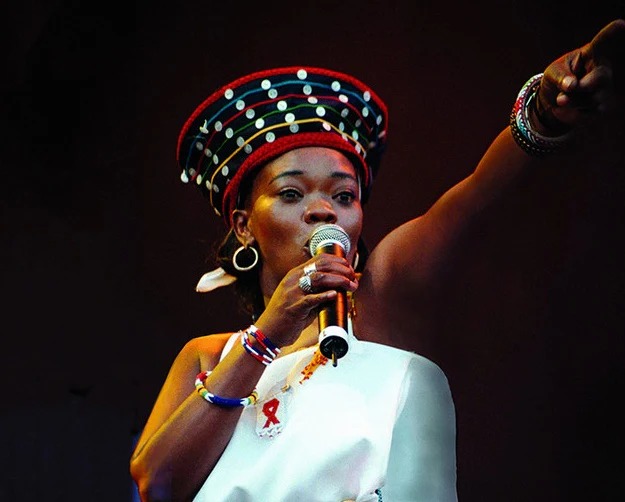
South Africa’s music industry is one of the most diverse and influential in the world, shaped by a rich blend of indigenous traditions, colonial history, and modern global influences. Over the decades, the country has produced groundbreaking genres that not only defined local culture but also gained international recognition. From early township sounds like marabi to modern global sensations like amapiano, South African music tells a powerful story of resilience, identity, and innovation.

In this comprehensive guide, we explore the evolution of South African music genres and how they continue to influence the global soundscape today.
Early Foundations: Marabi, Kwela, and Mbube
The roots of South African music can be traced back to the early 20th century with genres such as marabi, kwela, and mbube. These styles emerged primarily in urban townships, where communities used music as both entertainment and a form of expression during difficult socio-political times.
Marabi developed in the 1920s and was heavily influenced by jazz and African rhythms. It became popular in shebeens (informal taverns), where repetitive keyboard melodies and improvisation defined the sound. Over time, marabi laid the groundwork for future genres such as jazz and mbaqanga.
Kwela, which gained popularity in the 1950s, featured the use of pennywhistles and upbeat rhythms. It became a symbol of street culture and youth expression, often performed in public spaces.
Meanwhile, mbube, a vocal harmony style, showcased powerful group singing and later influenced international hits such as The Lion Sleeps Tonight. These early genres collectively formed the backbone of South Africa’s musical identity.
The Rise of South African Jazz and Mbaqanga
As urbanization increased, South African music began to evolve into more sophisticated forms. South African jazz became a major force in the mid-20th century, blending American jazz influences with local sounds. Artists like Hugh Masekela and Miriam Makeba helped take this sound to global audiences.
At the same time, mbaqanga emerged as a fusion of traditional Zulu music and Western instruments. Known for its groovy basslines and vibrant rhythms, mbaqanga became widely popular during the apartheid era and served as a form of cultural resistance.
Music during this period was deeply intertwined with politics, often reflecting the struggles and hopes of the people.Kwaito: The Sound of Freedom
The end of apartheid in the early 1990s marked a major turning point in South African music. Out of this new era emerged kwaito, a genre that quickly became the voice of a generation.
Kwaito originated in townships like Soweto and combined elements of house music, hip-hop, and traditional African sounds. It featured slower tempos, catchy loops, and lyrics often delivered in local languages and street slang.
More than just music, kwaito represented freedom, identity, and the realities of post-apartheid life. It gave young people a platform to express their experiences, struggles, and aspirations.
The genre dominated South African charts throughout the 1990s and early 2000s and laid the foundation for many modern genres that followed.
The Evolution of House Music and Afro House
As kwaito grew in popularity, South Africa also developed its own distinct version of house music. Cities like Johannesburg and Pretoria became hubs for deep house and dance culture, producing globally recognized DJs and producers.
Afro house later emerged as a fusion of house music with traditional African rhythms and melodies. Known for its deep basslines and spiritual undertones, Afro house became a staple in clubs and festivals both locally and internationally.
This era marked South Africa’s growing influence on the global electronic music scene, with local sounds reaching audiences far beyond the continent.
Gqom: The Raw Sound of Durban
In the early 2010s, a new genre called gqom emerged from Durban. Unlike traditional house music, gqom featured darker, minimalist beats and a raw, edgy sound.
Gqom was heavily influenced by kwaito but stripped down to its core elements, focusing on heavy bass and unconventional rhythms. It quickly gained popularity among young audiences and became a defining sound of South African nightlife.
The genre’s rise was largely driven by grassroots distribution methods, including file sharing and social media, which allowed it to spread rapidly without mainstream industry support.
Amapiano: South Africa’s Global Breakthrough
One of the most significant developments in recent years is the rise of amapiano, a genre that has taken the world by storm. Emerging in the mid-2010s in townships like Pretoria and Johannesburg, amapiano blends elements of kwaito, deep house, jazz, and lounge music.
Characterized by its smooth piano melodies, log drum basslines, and relaxed tempo, amapiano offers a unique listening experience that resonates across cultures.
The genre’s popularity exploded around 2019, thanks to social media platforms and streaming services. Today, amapiano is not only dominant in South Africa but also influences global music trends, with artists from around the world incorporating its sound into their work.
Importantly, amapiano’s roots can be traced back to kwaito, highlighting the continuous evolution of South African music.
Cultural Impact and Global Influence
South African music is more than just entertainment—it is a reflection of the country’s history, culture, and social dynamics. Each genre represents a specific era and tells a story about the people who created it.
From the resistance-driven sounds of mbaqanga to the freedom-inspired beats of kwaito and the global appeal of amapiano, South African music continues to evolve while staying deeply connected to its roots.
Today, the country is recognized as one of the most innovative music hubs in the world, constantly producing new genres and influencing global trends.
The Future of South African Music
As technology continues to shape the music industry, South African artists are finding new ways to reach international audiences. Streaming platforms, social media, and digital distribution have made it easier than ever for local sounds to gain global recognition.
Genres like amapiano are just the beginning. With a strong foundation built on creativity and cultural diversity, South African music is poised to continue evolving and dominating the global stage.
Conclusion
The history of South African music genres is a journey of innovation, resilience, and cultural expression. From marabi and kwela to kwaito, gqom, and amapiano, each genre has played a vital role in shaping the country’s musical identity.
As these sounds continue to evolve and influence the global music scene, one thing remains clear: South Africa will always be at the forefront of musical creativity.
Whether you’re a longtime fan or just discovering these genres, exploring South African music is an unforgettable experience that connects you to the heartbeat of a nation.


